Exposure to heat at work has long been recognized as a health and safety hazard. As global temperatures rise, climate change is making heat waves more frequent, intense and dangerous.
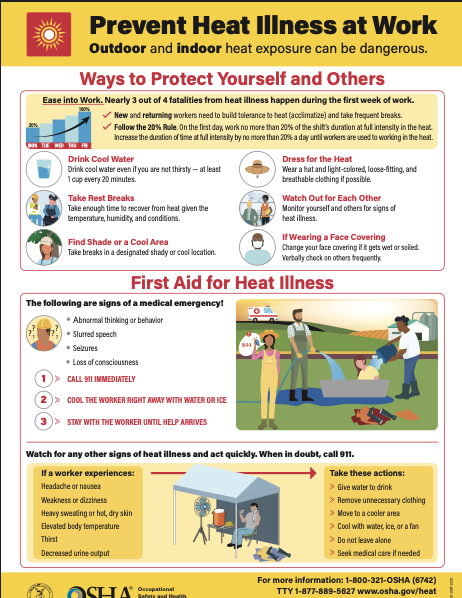
Working in excessively hot and humid conditions, whether outdoors or indoors, leaves workers vulnerable to heat-related illnesses such as heat stress, heat exhaustion, cramps, heat rash and heat stroke, all of which can result in death.
Hot working environments impact cognition, concentration, judgment and reaction time. They also affect the safety of the protective clothing and equipment workers can use. While workers who have physically demanding jobs are at serious risk, all workers are affected by working in the heat, even those in jobs that require less exertion.
Whether inside a commercial kitchen, classroom or warehouse, or on a manufacturing floor, construction site or agricultural field, hot working environments are extremely dangerous—but they can be made safer.
Each year, dozens of workers die and thousands more become ill due to heat exposure. Employers can underestimate the dangers of heat on the job, and workers can be punished for speaking up about the heat. As a result, heat-related concerns often go unreported and unaddressed.
Workers of color and immigrant workers are disproportionately impacted by the dangers of heat, as they are more likely to work in dangerous jobs, have fewer protections and face severe retaliation for raising alarm.
All workers should have their basic health and safety needs met. The AFL-CIO is committed to bargaining, organizing and advocating for stronger heat protections for all workers. Learn more about the issue and what we’re doing to ensure that workers can return home safely to their families at the end of each workday.
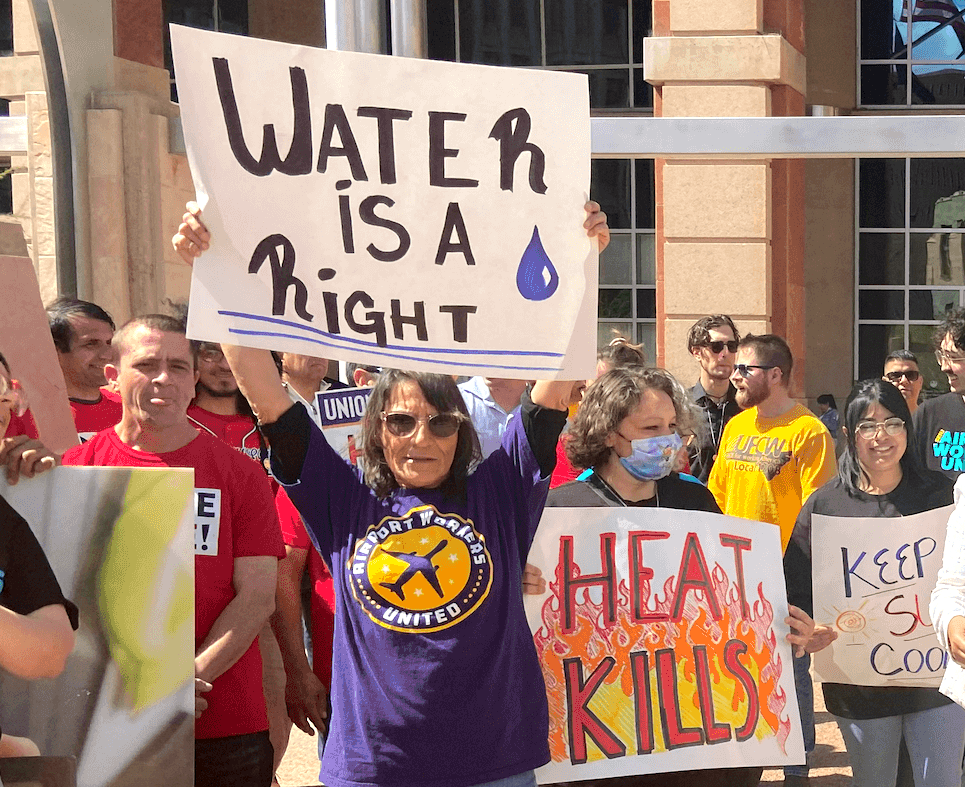
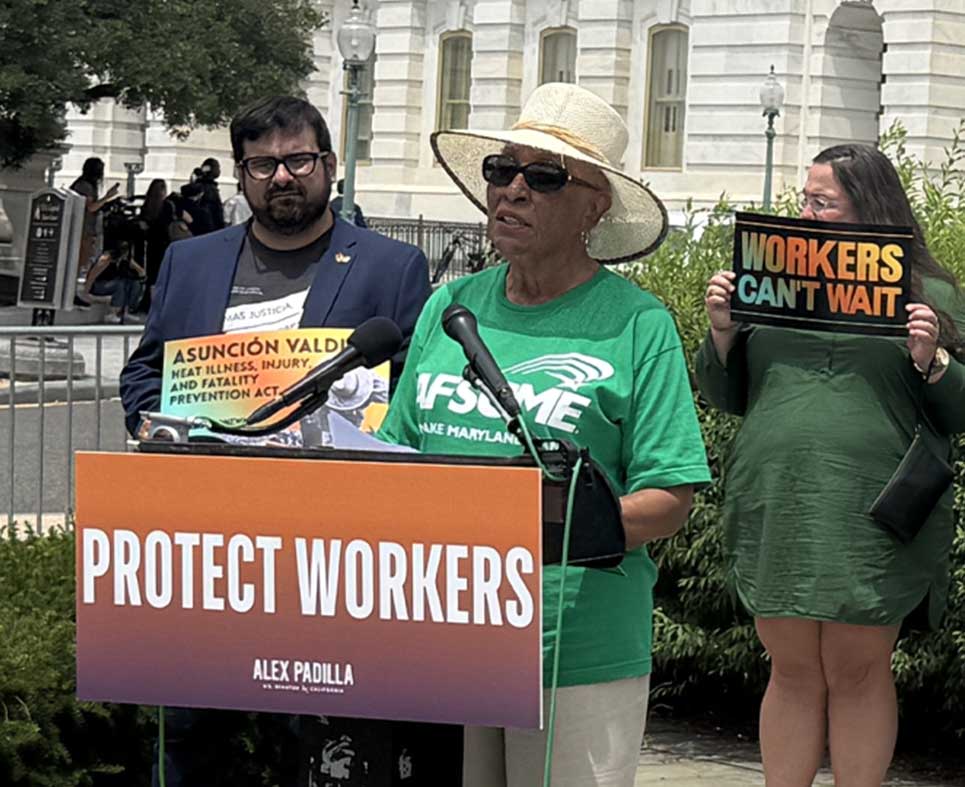
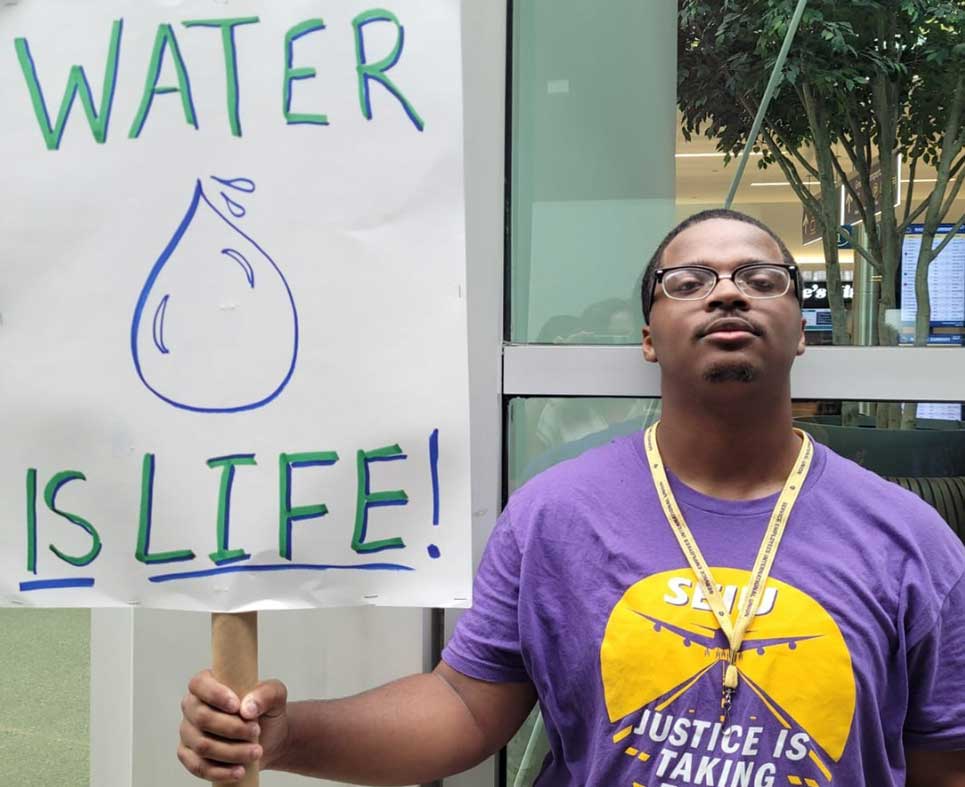
Across the country, unions are taking action to protect workers by negotiating for stronger contract protections, fighting for heat protection safety standards, training workers to recognize signs of heat illness, and holding employers accountable when they fail to protect us.
Heat poses a grave risk to city letter carriers. We deliver mail and packages on our designated routes all year long, including in the hottest weeks of summer. Typically, we work at least eight hours a day, including through the peak afternoon heat, and almost entirely alone. Unmitigated exposure to excessive heat can cause heat stress, often resulting in serious injury, illness or death.”
—Brian Renfroe, president, National Association of Letter Carriers (NALC)
We deserve answers. This was someone [who] was stolen from our lives. My son was everything to us.”
—The family of Ronald Silver, Baltimore City Department of Public Works employee, AFSCME member and father of five
Working in the harvest department during the summer is like walking into a furnace. From the moment you step into the floor, the heat hits you in the face—and it doesn’t let up.
We need a change. We need proper cooling systems—not just fans, but something designed to fight the extreme heat and heavy steam. Not just for comfort, but for safety. Because when you’re constantly losing workers to heat stress, you’re not just slowing down production—you’re risking lives.”
—Rigoberto Lopez, United Food and Commercial Workers (UFCW) member